
Aesthetic Longevity and the deeper truth behind the Preference for "Vintage"
Beauty is not a trend

Good quality wine, stone cathedrals, stained glass, good stories, music that moves the soul, women with beautiful hearts and cottages are just a few things that grow more beautiful with age, not less.
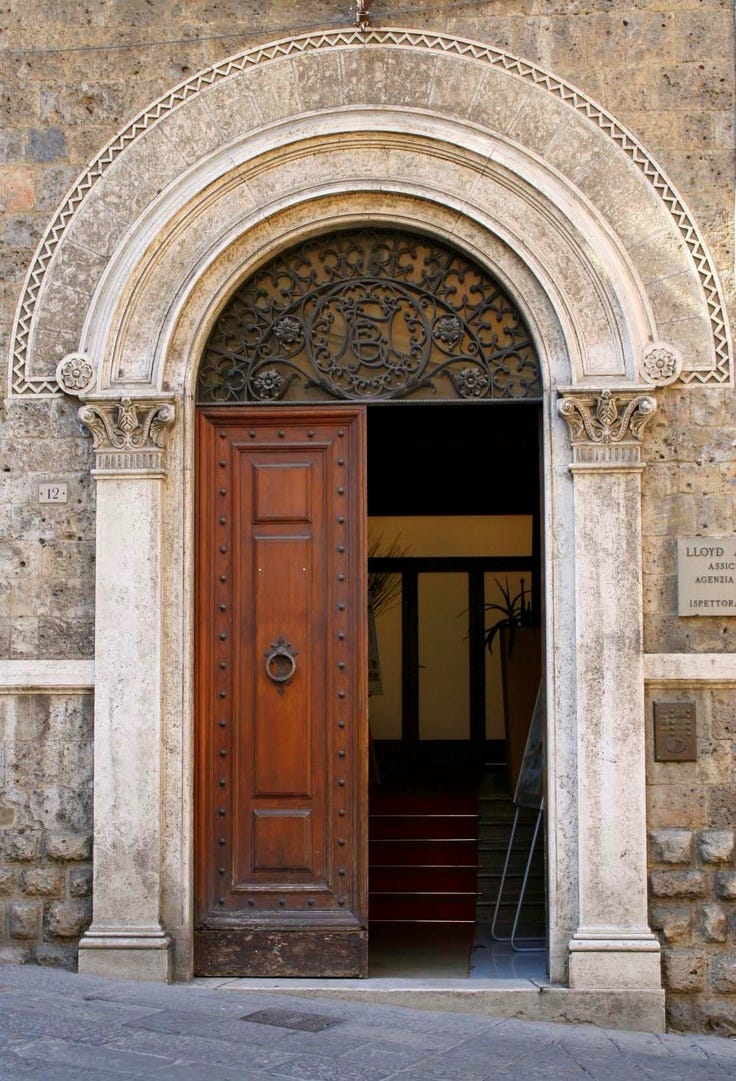
It is a very simple test of beauty to assess how something ages. It is common to assert that “aesthetics” are simply a matter of preference and that we cannot argue one aesthetic preference is superior or inferior to another. But ugliness in society and low quality in fashion, literature, architecture and fine art wasn’t a democratic decision dictated by individual preferences. Ugliness was borne rather of efficiency and factories; it was borne of replacing the human with the factory.
Time and again when ordinary people choose what they find to be beautiful, not fashionable or impressive to their friends, not economical, not trendy, but truly beautiful, they use one word “vintage”. There is a very good reason for this: “Vintage” is human.
The word vintage finds its roots in french wine harvesting and was originally used to refer to the best quality wine from a particularly good grape harvest. It’s interesting that wine is the origin of the word vintage because as the word has evolved, it is now used to refer to everything from clothes to furniture to books and ideas and good wine also improves with age. It refers to aesthetics that are eternal in their appeal, and, that, regardless of time period or trend, people are always drawn toward.
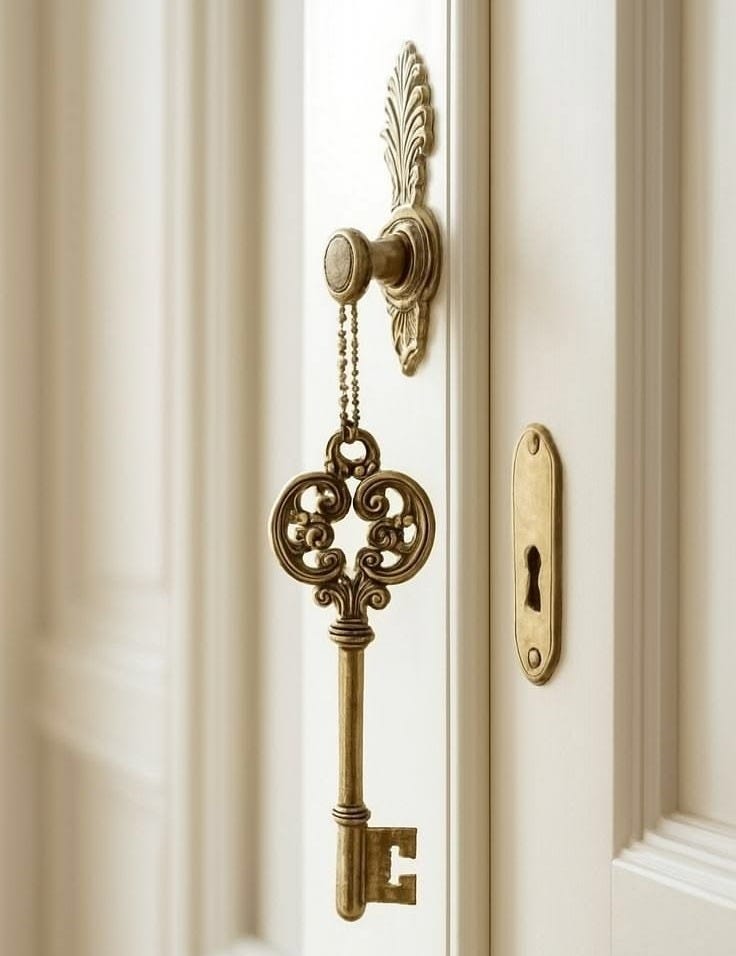
When we think vintage, we think of an iron victorian key with flourishes made of metal in the shape of flowers and leaves. It is the kind of object that, even when it is no longer useful in our world of electronic locks, we still like to see as a form of decoration. It’s so much more wonderful when the vintage object of beauty is also functional; we love it when the things we use everyday also happen to be beautiful. This is the truth behind the yearning, at least aesthetically, for time travel to the past.
In a world of rapidly evolving technology, it is odd that so many people seem to be dreaming of time travelling to the past rather than imagining themselves living in a synthetic “futuristic” world where everything is made of silicon, glass and plastic. The modern and futuristic way of design seems to be to purposely leave things barren and empty as a performance of sophistication when in reality is merely a lack of skill in producing anything truly beautiful which requires human artistry.
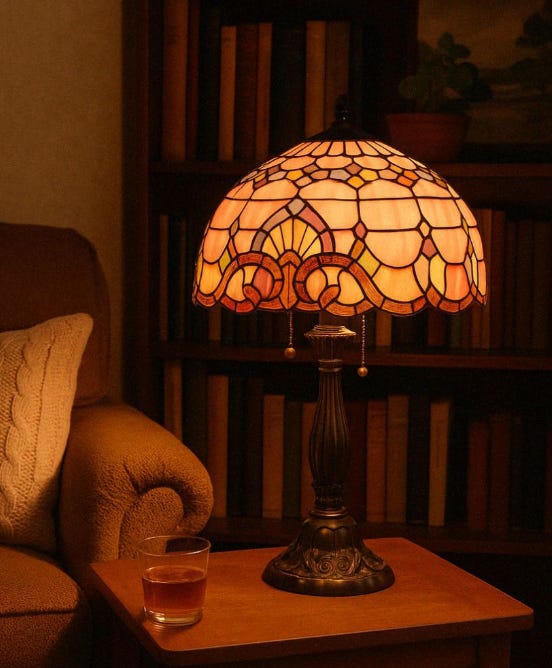
These days, it is becoming increasingly popular to prefer all things “vintage”. People want to wear clothes that look like they’re from the past. We want furniture that looks like it was handmade by a 19th century Italian craftsman. People are thrifting and rescuing old grand father clocks, vintage armoires, refurbishing their grandparent’s clothes or re-making designs from centuries into the past. We want ornate and beautiful trains from peak Victorian era England. We want vintage french gardens and heritage children’s books. People want vinyl record players and home decor that evokes “the vintage vibe” is more popular than ever. People are buying swords, medieval looking scabbards to open letters with, and even in a time of electrical lighting, candelabras and ornate candle-sticks are what people prefer to decorate their tables with. “Vintage” cars that look like they belong in a 1930s James Bond or Grace Kelley movie are the kind that people still want to rent for their weddings or special occasions.
Is this just a trend or is this telling something about the yearning of ordinary people for something more? It was predicted that the “future” would look like silicone and metal cyber punk, but what if we want the future to be something akin to the 19th century wrought iron tracery and ornate decorative aesthetics? In reality, the longing for the “vintage” aesthetic is not a disenchantment from the modern world so much as it is a desire for our physical world to be meaningful rather than a political statement or mere utility.
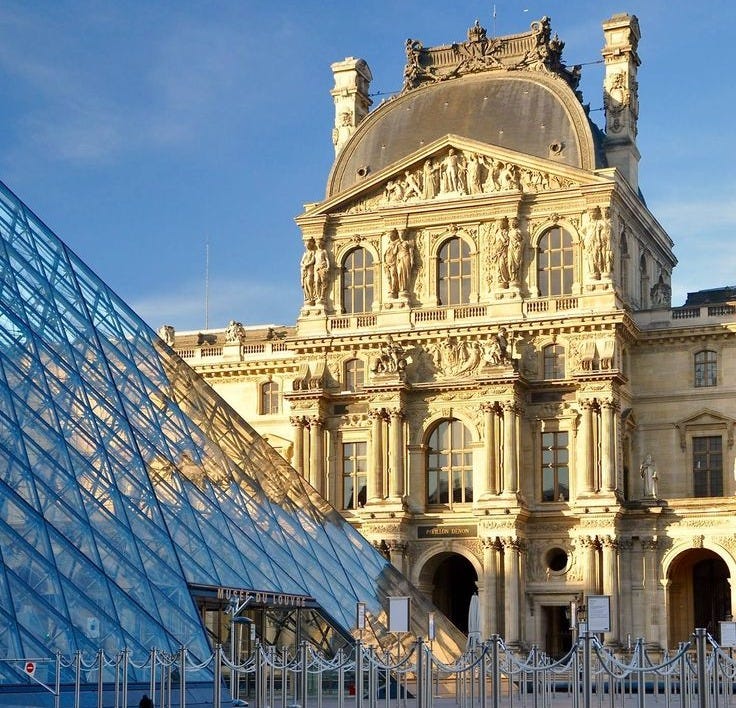
The glass pyramid in front of the Louvre was put there by a Chinese-American architect in 1983 and inspired nothing but irritation and anger from people. The glass and metal structure when assessed honestly against the beautiful stone building of the Louvre itself, is a ghastly and horrible addition. It is perhaps more illustrative of the points made in this essay in particular because it is a glass pyramid telling no story. It is invisible. It has no craftsmanship or design in it. It exists only to negate its surroundings, not to build on them or enhance them in any way. In this way, it is a form of graffiti, but even less so because graffiti usually has some human message that it dares to communicate, however vulgar it may be. The glass pyramid of the Louvre is cowardly by comparison. Much modern architecture is like this. I believe that behind the “political statement” it is far more likely to be a lack of skill in the ability to build anything similar to the kind of craftsmanship that was behind the original building of the Louvre for example. Sophistication in modern art is a mask for a lack of competence.
There was once a human aspect to decoration. The modern way of designing and building, from home decoration, to cars, to clothes and our every day tools, is all done in a factory and removed from human craftsmanship. The design of things is optimised to reduce costs in manufacturing while still fulfilling the purpose of the object itself.
Unlike the factory, the individual craftsman often told stories in his decoration. The design of a carpet, the painting on a wardrobe, the design on tiles used to decorate a kitchen, the design on a dress, were once specialised to the village, the culture and the people that it was both made by and made for. This uniqueness cannot be easily turned into a multi billion dollar enterprise because a craftsman is one person, one soul. Each craftsman produces something slightly different even if they are trained in the same way. Only the factory mass produces and only mass production can produce obscene wealth. The production of obscene wealth leads to obscene power and obscene power, when untempered by the fear of God, tends to snuff out craftsmanship that might compete with it.
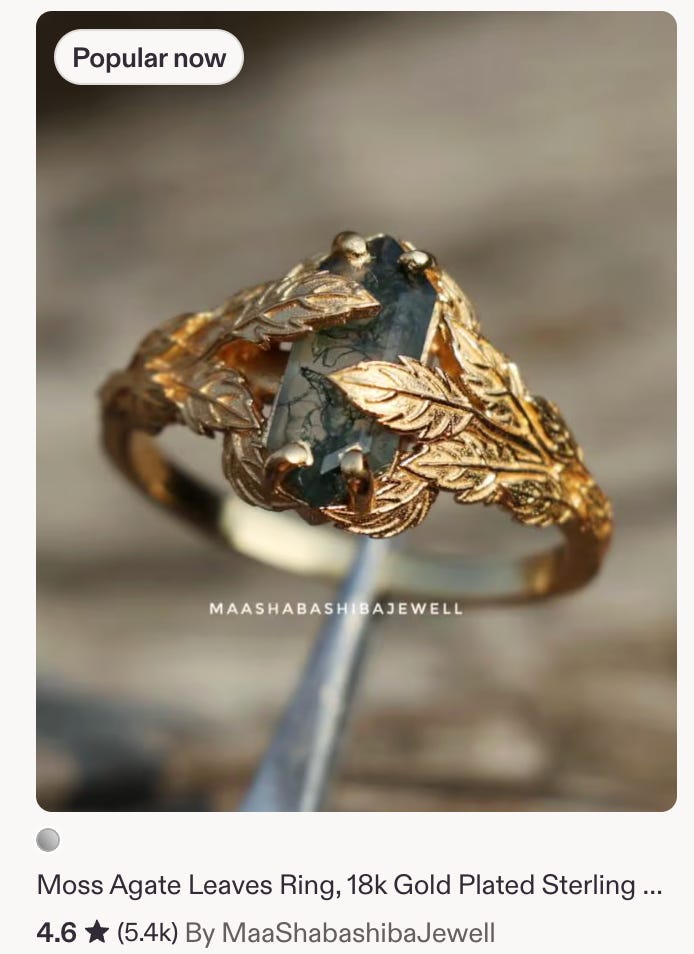
The return to craftsmanship and people making things by hand again is a signal of serious change in culture. This is thanks to companies like Etsy and the rise in social media businesses that allow individuals to overcome the hegemony that big corporations once had on the market. When human beings can talk to human beings again without all the middle men, human craftsmanship flourishes again because deep down this is what we all want.
We are not returning to the past so much as recalibrating with our most natural and healthy human instinct to create and to buy things from people rather than factories. Creativity ought not to be just an impotent hobby to do sometime between 5-9pm when our responsibilities have been taken care of, but rather an active part of our work day. We yearn to create things and do work that has utility and purpose in our real lives. Craftsmanship therefore not only surrounds us with more beauty, because of the individuality poured into each design, but also fulfils and satisfies us in a way that mindless, passive entertainment never can.
“People have grown accustomed to the elimination of poetry of the world, to the mechanization of life, to the expulsion of beauty… Are these not unambiguous symptoms of unhappiness, of an unfulfilled hunger for happiness?”
Dietrich von Hildebrand
The yearning for the “vintage” aesthetic is the yearning for more poetry, whimsy and humanity in our lives. Buying factory-made objects that look like they’re from 19th century England is not truly vintage but it is a symptom of a healthy inclination toward real beauty. That inclination should be pursued so that we seek out real craftsmanship where we can. Our spaces tell stories about ourselves. The tendency to bare walls and decor purchased from a factory comes from a fear of imposing a real physical personality upon the world. The only way to be completely politically correct as a human being is to disappear and the most politically correct personality presents itself as a bare home, with factory setting modern decor, and clothes in safe silhouettes and bland colours.
Aesthetics are the handprints of human beings on the material world. A human being cannot be alive without leaving behind footprints where he walks, warmth where he breathes the air. Despite our increasingly cerebral and intellectual existence “online,” we are still physical beings.
Where the modern world is not ugly due to neglect, it is ugly due to barrenness. Where the modern world is beautiful due to care, it is beautiful due to a timeless kind of craftsmanship that puts people’s stories in objective form, harmony and composition that is not a matter of “artistic opinion” but rather universal spiritual appreciation of aesthetic truth.
“There is one timeless way of building. It is a thousand years old, and the same today as it has ever been. The great traditional buildings of the past, the villages and tents and temples in which man feels at home, have always been made by people who were very close to the center of this way.”
Christopher Alexander
Vintage not only means old or elegant, it also means full of memory and story. Our house is filled with such things. We built our current home last year, 2025, on a three acre piece of land in rural Pennsylvania. When designing the home itself, we took note of the existing older vintage homes in the area, providing pictures to the foreman on the worksite. "Make it look like this" we would tell him. He did, and when he was finished he gave us the best compliment we could have hoped for. "It looks like it belongs here" he said, "like it has been here for years."
We also designed it to contain our vintage things, the things that have memory and story. A visitor enters through double doors to the entry foyer, which we designed to be oversized. The first thing they see when they enter is a 19th century Secretary desk with a 1930's electric mantel clock (with Westminster chimes turned on) sitting on it just below an aluminum platter with the symbols of the Zodiac that hangs on the far wall. The mantel clock was purchased by my grandparents the year my mother was born, 1934. Every quarter hour, the clock chimes, just like it did 90+ years ago. The Secretary desk goes back at least as far as my great-grandparents, perhaps great-great. Also in the foyer is a china cabinet that belonged to my wife's great-grandmother. My grandmother's china cabinet (1930s) sits in the formal dining room with a mahogany veneered dining room table with brass clawed feet that my mother purchased from an estate sale in 1970. The rest of the house is filled with such things, some rescued from basements, refurbished and repurposed, others things that I remember my mother picking up along the way at an auction or estate sale. Tiffany lamps, barrel tables, a Windsor chair, a work bench.
Most of the things we own that are not old are nonetheless unique. Most of our newer furniture is Amish made, designed by us on paper and made by a craftsman without the benefit of CAD drawings or automation. The dovetail joints and dowels used to hold them together, all hand done, are obvious. Even these have memory because of how they were acquired, a design, a conversation, a handshake agreement and a cash settlement on delivery.
The beauty and the difficulty of this way of decorating one's home is that these things were not all designed to be together in the same space, you have to have a vision of how these eclectic items will fit together to tell a story. That seems to be what is missing in a lot of our modern society, people want that warm vintage feel, but executing it takes effort that many people are either unable or unwilling to expend. When you can pull it off, the result is amazing.
All very well said, indeed. And there is something else to be said, I believe. It is wrong, I think, to say that beauty speaks to us, as if it were one 'thing' and we are another, separate and distinct. Better to say that beauty speaks through us in an intimate and ultimately mysterious embrace. So when I am painting well (all too seldomly, unfortunately), it is as if the painting paints itself, striving itself to be born. Of course there is some technique to it but that is simply the foundation of receptivity and competence that invites beauty to flow in and through. Perhaps there is a rough analogy with the wine vintage that you speak of, the fine wine of a locale emerging from the terroir's uncanny embrace of the vine that cannot be reduced fully to physics and chemistry. So when we gaze with an uncluttered mind upon a beautiful work of art or craft, we are being invited to merge our souls with the universal creative flow that is beauty. I really do think that it is a sacred duty to do all that is humanly possible to invite beauty's embrace and to act creatively as the only sensible loving response.