

It is easy to speak about Beauty in the general sense and this tends to offend very few people, but the real challenge is to dare to call something particular
ugly.
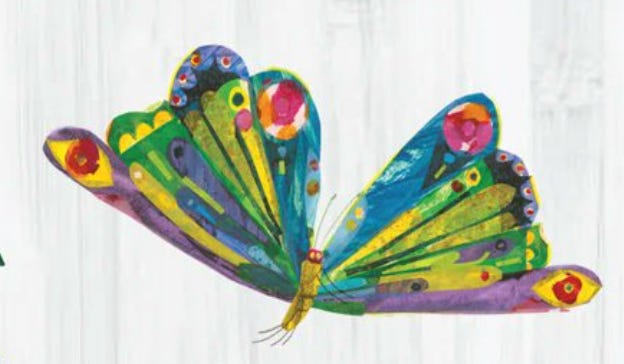
This is because to speak about beauty in the particular indicts people’s “taste” and how sophisticated they think they are for having absorbed what they deem to be the correct aesthetic opinions. Of course the modernist aesthetic opinion is that nothing is ugly and therefore nothing can be beautiful, or worse, the modernist believes that artwork that respects the idea it is representing with some degree of accuracy is “boring” and that artwork featuring actual ugliness is superior. This is not merely an indictment of taste but also morality; if beauty calls us to goodness, and leads to hope, ugliness calls us to anger and hatred and leads us to despair.
Many people lament that our world today is full of ugliness everywhere we look, but it is only when we call something ugly that we can use the word “beauty” meaningfully.
The place where beauty matters the most is in the world of a child, because it is here that taste is formed and tied to nostalgia. There are many things we adore simply because they were exposed to us in the happy and innocent era of childhood. “The Very Hungry Caterpillar” published by Eric Carle in 1969 is one such example of a book that is often loved by people but only due to its association with childhood. When we examine the artwork with fresh eyes, we find that it is not merely ugly, but it is actually in insult to God’s design of the world.
When I recently tweeted about this I got hundreds of replies and comments that went over the top in insulting me personally and misconstruing my arguments. People were very emotionally charged by the suggestion that children’s literary media ought to have standards and explaining why those standards aren’t met in Carle’s illustrations.
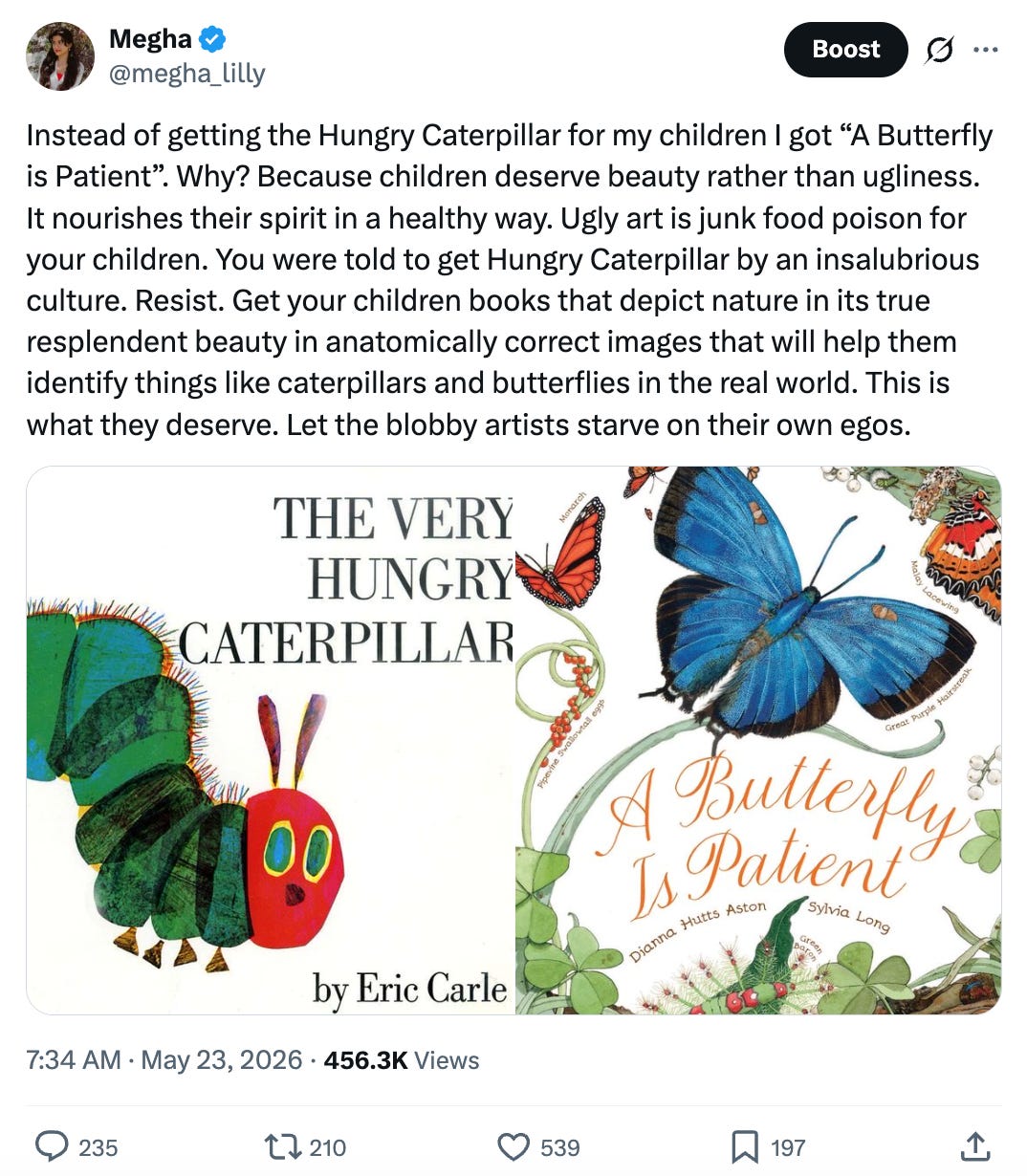
But I also took the counterarguments I read seriously and realized that we lack a language to talk about beauty in the particular. People are forced into vague emotional language when talking about art because modern art education has abandoned people with nothing but abstraction and lies. I have done some of the work here to provide some language by which we may judge art and illustration objectively. I hope that this will help you too.
I am a traditionally trained illustrator and I have spent several years learning the art of composition, form, style and design.
In this essay I explore the questions: is it possible to objectively judge the beauty of an illustration? What is the importance of realism in artwork and to what extent can it be neglected when producing art especially for children? What is the history of the change in aesthetics from serious illustration that respects the rules of design to illustration that looks like a young child drew it? How do the aesthetics of children’s media affect the lives of children in serious ways?
