
The Wisdom of Wholesomeness
How a vulgar culture masks vice as sophistication

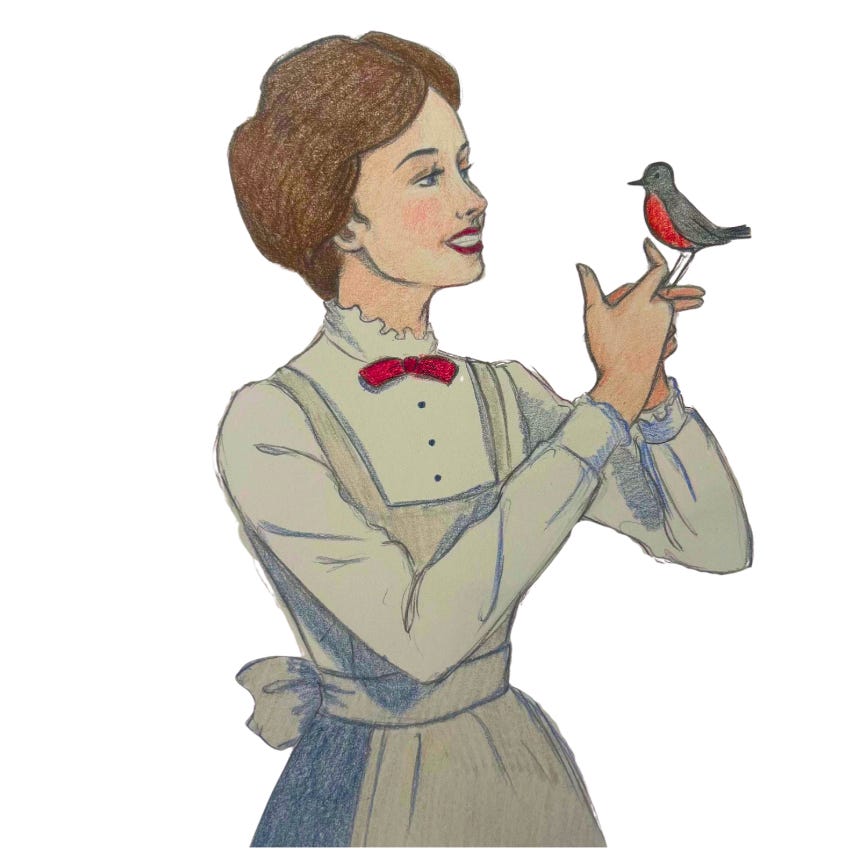
No one enjoys feeling like a gullible, green lamb, easily hoodwinked by charlatans, but we are convinced that becoming wise is a kind of corruption. Is it possible to contend with the realities of the world while preserving our wholesomeness? Is vulgarity, that is to say, placing truths explicitly before ourselves and our children, the only way to make ourselves wiser? Modern culture has convinced us that wholesomeness is akin to being an idiot, a sheltered child in a fantasy land. But I have investigated many “wholesome” components of our culture and found them to be anything but naive and I have looked at many vulgar aspects of culture and found them to be nothing more than vice pretending to be sophistication.
It is difficult to understand something like “wholesomeness” when living in a culture that so rebukes and reject it. It is understandable why the enemies of wholesomeness would want to de-fang the idea and present it as a form of anti-expression, stifled truths and sanitised realities.
When I contrast truly wholesome works of culture against unwholesome ones, the main difference I see is not that wholesome works have less danger, violence, or darkness, rather, the difference I see is that wholesome works of culture are founded on the idea of objective virtue rather than subjective preference as the moral compass of the piece.
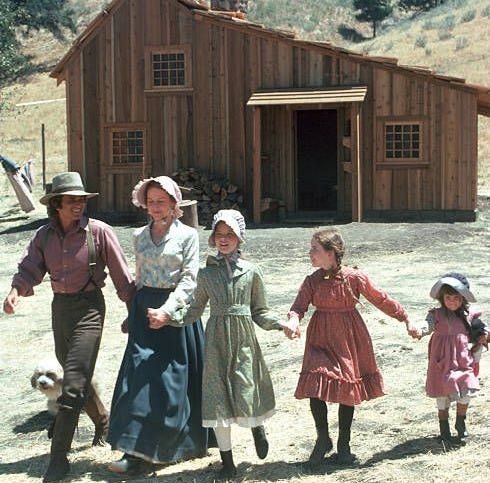
Example 1) Little House on the Prairie versus Modern Family
