
Why Beauty Matters to the Child
How to raise children forever oriented toward the good, the true and the beautiful

“Beauty was given to me at my birth as the true model for my dual calling. It is both a light and a mirror for me in both art forms…While insolent and foolish people concoct a false notion of beauty, reducing it to the level of their senses, beauty comes from heaven and will lead any sane spirit to the place from which it came”
Michelangelo Buonarroti
Children’s needs are often simplified to the material realm of food, exercise, fresh air and some practical education so that they can eventually get a job to someday maintain this material homeostasis themselves. Little thought is given to the type of art, images, media and stories they consume. So long as it is “marketed to kids” in bright primary colours, it is shoved in front of them. Children are shown ugly cartoons, with badly written stories and abhorrent music because the purpose of it is simply to get the child out of the parent’s face. Little thought is given to what will nourish the child’s spirit, and what’s worse, what might degrade it.
“Man cannot live by bread alone”. Though it is a grand hubris to deny the importance of these material necessities, the Child also has spiritual ones. By this, I do not mean merely being taught that God is real, He is good and He loves you, but rather being shown it…and being given the tools to continually orient oneself back to these truths especially when the intellect can so easily turn against the spirit, especially strong intellects.
The twentieth century saw the field of fine art being taken over by arrogant snobs who believe that the purpose of art is to shock and disgust, that art is one giant inside joke for the supremely rich. However, true art is that which even an uneducated person can appreciate so long as their spirit is rightly ordered. True art is beautiful at once in the simplest and most profound sense.
Children, because they are so uncorrupted by the world and innocent, have a keener sense for beauty and ugliness, for truth and lies, than adults do. This is why children will often say things that are impolite but true, because manners are, after all, a form of polite deception and illusion. To give such an impressionable spirit such ugliness in art and music will guarantee its depredation.
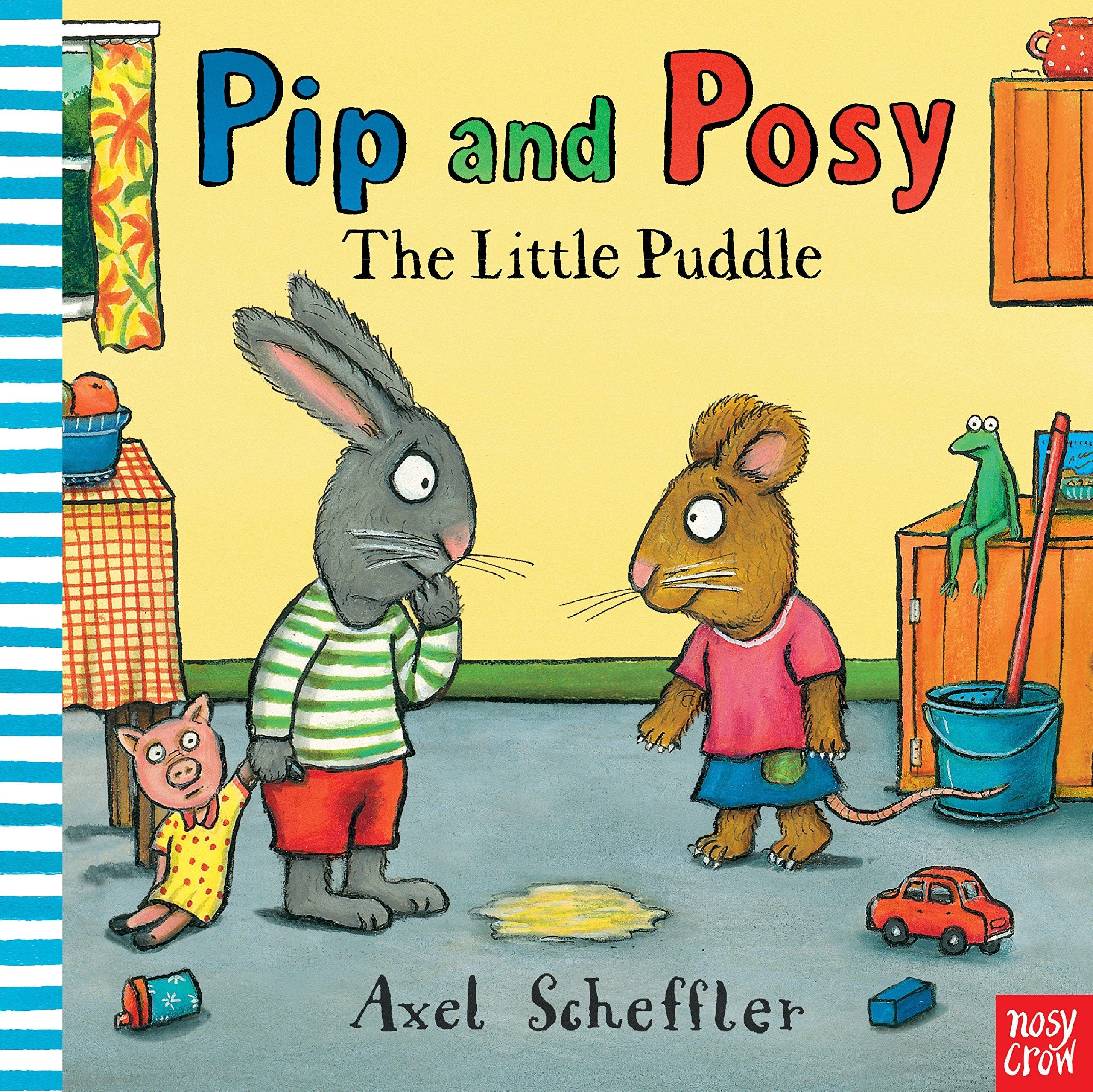
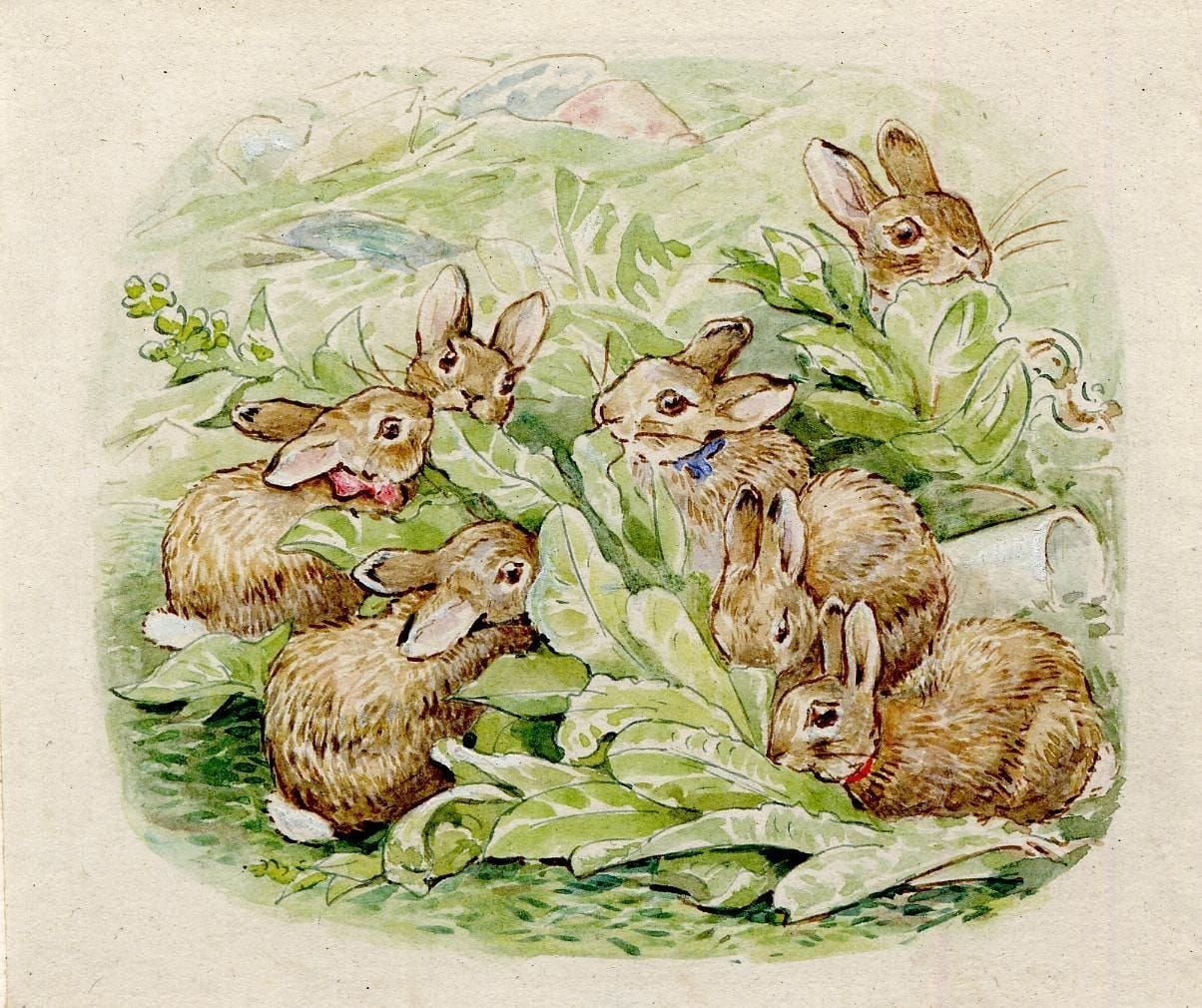
Children’s books in the stores today are frequently badly written, badly illustrated by artists who have no sense of anatomy, perspective, form, light or composition, and are maximised for profit rather than value. Compare the two illustrations above. I have also written about this more at length here. This is true not just of children’s books in end-stage corporate capitalism, but also of many other things. Unlike with these other things, children cannot speak for themselves, and what’s even sadder is that most children don’t even know what they’re missing because all they’ve ever known are the ugly digital art illustrations and the dumbed down writing in toddler books “but with flaps and a mirror!” How could they ask for what they’ve never known?
The child that is not exposed to beauty will not get a nutrient deficiency on her blood test or miss out on being able to spell or count properly, but she’ll miss something arguably far more important, which is a guiding telos by which the energy of her life can be properly directed.
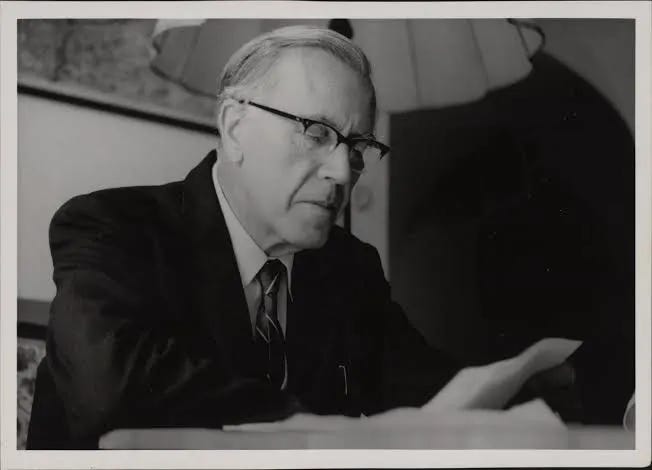
In his book “Beauty in the Light of Redemption,” Dietrich von Hildebrand explains that the purpose of beauty is not to satisfy the appetite of the senses but rather to orient one’s spirit toward the transcendent values, morals and ideas that lead us to God. Though they are our senses that perceive a beautiful piece of music or illustration, it is not our senses that find them pleasurable, but rather our spirits that find them exalting.
Pleasure brings a person back to himself; his senses and appetite are of primary focus. A chocolate cake can bring you pleasure but one slice is as good as another. Exaltation brings a person outside of him or herself; his experience of the story or idea conveyed through the mysterious language of art is of primary focus. One line of poetry is not as good as another, and the poetry doesn’t bring to focus the colour of the ink but rather the meaning conveyed lifts us up and away from the page to look at our own world in renewed perspectives and refreshed light.
The exalting idea is a reflection of God’s perfection made manifest through the talent of the artist. The true enjoyer of art, as distinct from the aesthete, is someone who, when appreciating a work of art, is not thinking about himself, how smart or dumb he sounds but about the art itself and its ideas. Children are naturally born in this kind of state and it is usually stamped out of them by their “education”.
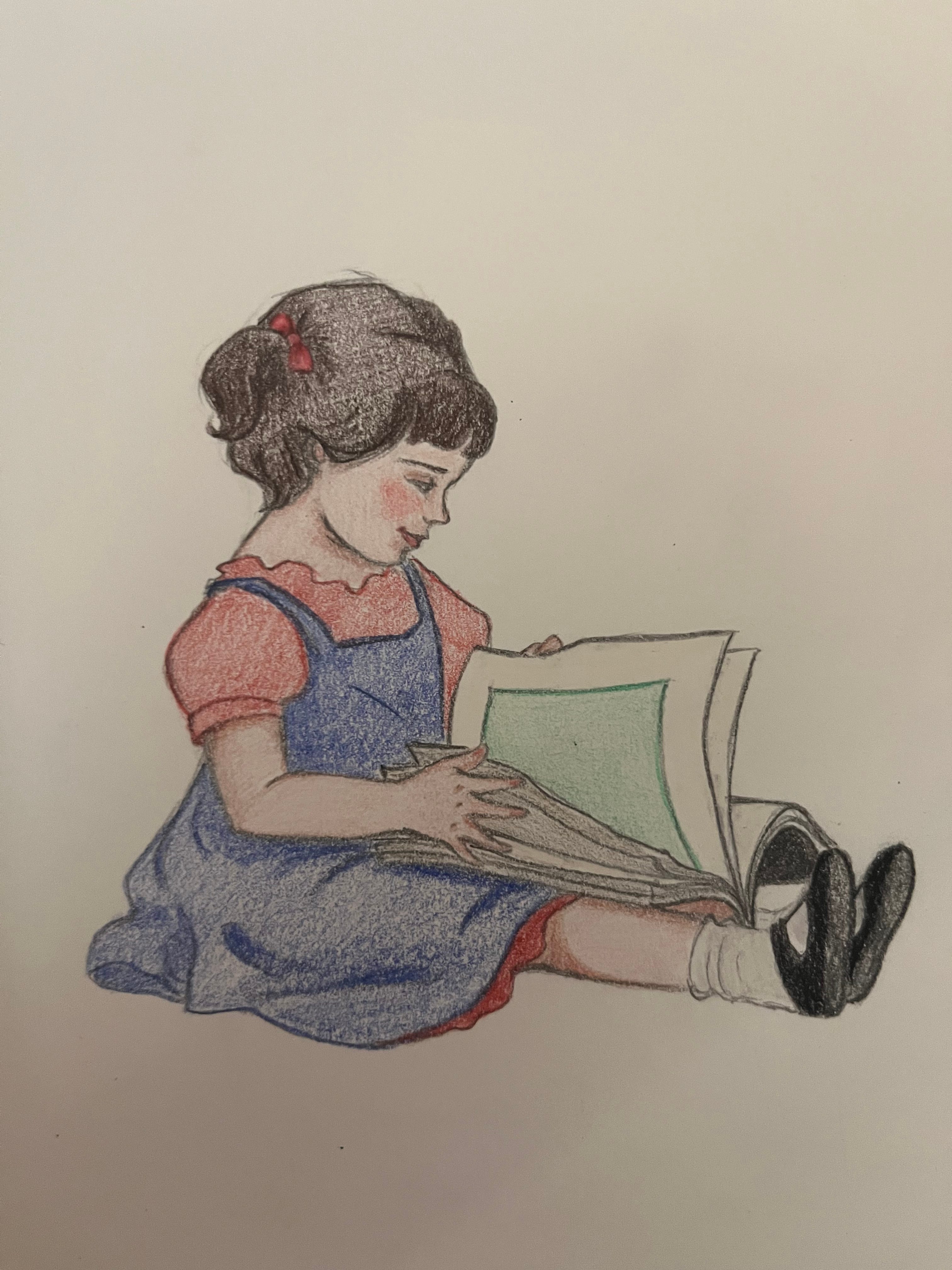
When children are exposed to truly beautiful art, it nourishes their spirit because it helps to form their taste to recognise and prefer those ideas that are well-ordered toward truth and virtue. Ideas attract their likes--one good idea attracts many good others and one bad idea attracts many other bad ones. When children are given books with ugly, haphazard writing and illustrations, they are not merely neglected by the lack of exposure to beauty, but they are training their habits and taste to attract other such ugly ideas.
A human being can get used to the greatest depravities and not notice it because he got there so gradually that he forgot what health even feels like anymore. A child surrounded by ugliness and dumbed down writing will form his spirit to suit that environment and imbibe the mediocrity and ugliness into himself.
Children who are exposed to beauty in their early life through their music and books and natural surroundings, will develop a taste for beauty simply because they’ll know it exists. When they know it exists it will be a refuge and a safe haven for them because true beauty, one way or another, reminds us sensually of the existence of God. The beauty of a butterfly’s wing, the vibrant colours of a painting, the gentle symmetry of a leaf, the blossoming loveliness of a piece of classical music, all bear God’s handiwork. Though they may be trained in many practical matters later in their life, children who have been given the gift of beauty early and often in life, are children who are not lost when they are asked the question of what matters in life. They do not wonder at what love or friendship or virtue is, they can simply live it.
I will write more in upcoming essays about how exactly one can introduce beauty in a child’s every day life. Thank you for reading!
Amen, I loved this. I went to a Waldorf school growing up and I've always been so grateful I was exposed to so much real beauty, since they take aesthetics really seriously. As this was tangential to growing up in San Francisco where modern art was really prominent, I always wondered why adults around me enjoyed such ugly, meaningless art (the 90s was terrible for like, senseless geometric objects and shapeless blobs in art, it was horrible). I wasn't raised with a Christian worldview and Waldorf's paradigm is very esoteric, so in a weird way I was shown God, without being told anything about Him. This resonated, even when not anchored in meaning. I've often wondered is this why I recognized Him so quickly as soon as I heard the Gospel and started reading the Bible.