

“I detest the masculine point of view. I am bored by his heroism, virtue and honour. I think the best these men can do is not talk about themselves anymore” - Virginia Woolf
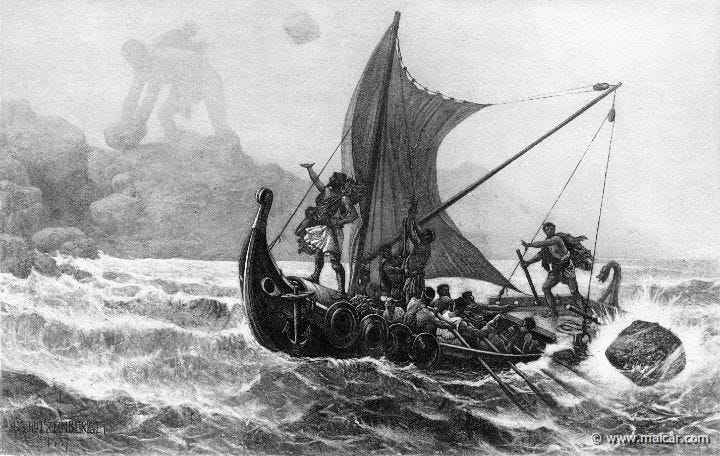
Virginia Woolf famously writes that the stories of great men and their accomplishments bore her, and this attitude of a feigned, petulant ennui and thinly veiled resentment against great men is precisely the attitude that describes not merely the emotional foundation of feminism, but also that of Marxism in general. This is what makes both of these ideas fundamentally “anti-civilizational”. If great men are the only ones who can build civilization, then to hate and undermine great men can only lead to its destruction.
Somewhere along the way, the idea was argued and concluded among the academics that Odysseus, Hector and Achilles were “toxic males” and that the hero had to be diminished in order to be palatable, and anyone who dissented to this idea was ostracised. But what does the Hero do for the psyche of mankind? For him to draw such ire and irritation from modern academics implies that the mythical hero, despite being (probably) fictional—and at the very least long dead—has immense power on the modern psyche and that this power does not go the way the academics prefer it to go.
