

Power is neither good nor bad, it is the use of it which determines its virtue. When the industrial revolution took power away from the common man, the age of the internet gave it back to him, albeit in unorthodox and uncontrollable ways.
This power is now concentrated in your hands, in your little black box which is called the “phone”, though the most powerful thing it can do for you is so much more than just make a phone call. Everywhere online I see writing admonishing the phone, denigrating it, teaching you ways to “log off” and spend less time on the screen. As a luddite myself, and a paper book, traditional media and grass enjoyer, I can understand the impulse for such discussions, especially against the backdrop of so much inhuman digital tech that pervades the modern lifestyle.
Nevertheless, it is foolish to underestimate the huge benefits this phone can provide to your life! In fact, the phone, this magic little square no bigger than your hand, has the power to give you a life where you can touch grass more often, live in a more beautiful and salubrious place, have lots of children with someone you actually adore rather than settle for, teach yourself a thousand things and make significant money from honourable skills rather than a fake email job with an HR department.
Many people don’t need to reduce their screen time, they need to figure out how to use their screens better. In doing so, their “screen time” will automatically be reduced because of the better life these very screens can help you to create.
As we go into 2026, I want to give my dear readers a strong dose of optimism, but unlike feel-good fake positivity, this optimism is earned.
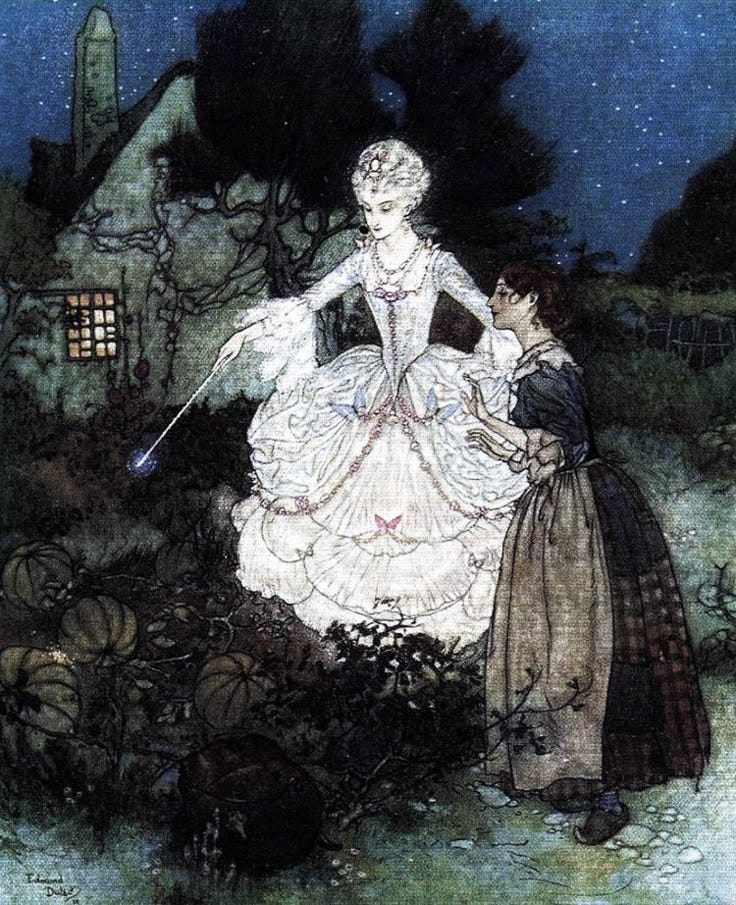
Like a magic wand can give transform the poor girl into a Princess, it can also turn the Prince into a Frog. Similarly, the phone can do great things and it can do terrible things. As a child of the North American suburbs, I have been online for more than half my life, from Pixie Hollow to Runescape, to Wattpad to DeviantArt…and now on X and Instagram. I have figured out exactly how to benefit from the online world, and avoid its many harms; the purpose of this essay is to give away this information to my readers.
Your phone is the Piazza of the World
Social media is the most potent form of modern power accessed through your humble little phone. The old power systems gain nothing from the common man knowing how to wield the power of social media, and that’s why this article will never be published in the New York Times or the Atlantic...but it is published here on Substack.
Being born in 1995, I have memories of the world both before and after social media. However, unlike older generations accustomed to TV and mainstream media, I wasn’t “fully cooked” before I was inculcated into the world of social networking, so I was open minded enough for it to let me peak into what the world was like before central institutional programming limited and trimmed the way ordinary people were allowed to think about the world, themselves, their history and their culture.
Social Media takes us all the way back to the humanity before the mental slavery to which the industrial age had accustomed us. It was through this mental slavery that the bad ideas of leftism were able to take such a strong hold over modern culture, beginning with Marx himself.
To the chagrin of Gen X and Boomers, theirs was not an idealised world. Their world was rife with the degeneracy that found its fever pitch in 2010...and now, social media is crumbling their entire system. Not only are people beginning to think clearly and for themselves again, they are building entire lives and worlds that would have hitherto been impossible. We are in a golden age of creativity and building. But the way is mired with danger.
Social Media is the set of social networking platforms that connects ordinary people to each other on a digital forum. This can be contrasted against two previous systems.
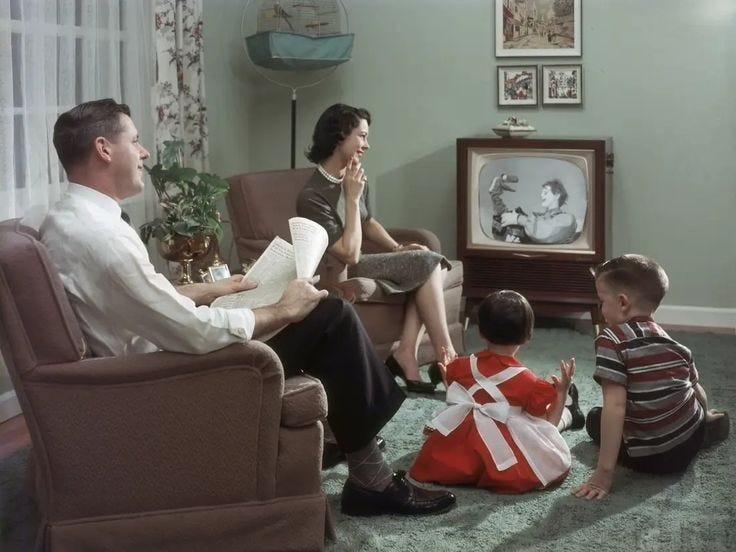
The first is the previous system of centralised programming--namely cable TV and radio--in which a centralised and often government controlled institution such as the BBC determine what you see and which opinions you ever hear. People are fed the opinions and information they’re permitted to have from a central media elite. Only certain perspectives are shared on TV. Only certain kinds of writing is permitted to be published and on the shelves in mainstream bookstores. Only certain kind of music is given air-time and pushed to the radio or the TV.
For generations, people have been distracted by state media and have allowed it to unequivocally shape their views and if someone in real life offers a different opinion or way of thinking in the snatches of real life interaction that they had time for...that person was very quickly ostracised.
These media institutions themselves are controlled by often nefarious corporations with certain goals that serve their interests. Their interests are to create good consumers that will generate profit for businesses and taxes for government civil servants. This means their messaging supports the idea that people should not worship God because that makes them less materialistic, they should not have families and children because that makes them less selfish, they should be feminists because then women can contribute to the taxes. This programming system defined the whole generations of people between the first world war and the millennial generation.
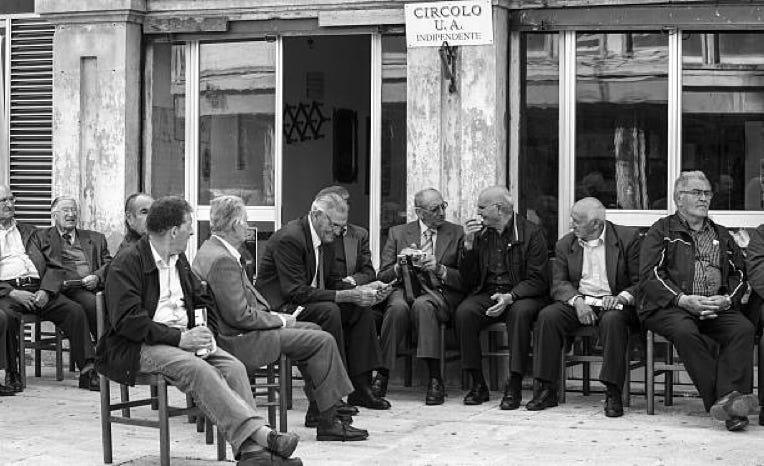
But before centralised media, there was a time when people…just talked to each other. People sat out on their front porch, went to the public house or the dance halls. People met up in piazzas and had espresso or wine. People wrote letters to each other, published novels and memoirs. Of course, the information that each person had was far more local, but that also permitted the flourishing of local culture and strengthened local connections. You didn’t know what world politics was concerned with unless you were a senator...but you did know that your neighbour was struggling to help her daughter get married or needed a new horse. Elements of this culture still exist, but they are diminished.
Many among the older generations lament the decline of a “shared culture” that has come with the rise of social media and the fall of mainstream media. However, what they remember to be a shared culture, is in reality, an enforced and prescribed culture.
A shared culture is one which is contributed to by ordinary human people that you know and with whom you have a relationship. This is far closer to social media as it is experienced on X today under Elon Musk. Other social networks do not have this quality of genuine connection because they have far more censorship and the algorithm is a more tyrannical interlocutor.
The same elite that once controlled mainstream media--TV, radio, Hollywood--are now attempting to take control of social media so that they can crack their whips there and tell us once again what to think and what to see in the world. Because when human beings genuinely speak to each other, bad ideas begin to fall apart, and good ideas, that are generally also old ideas, make a come-back.
There are as many good ideas spread through social media as there are bad ones. The main problem with social media, and freedom in general, is that it comes with responsibility.
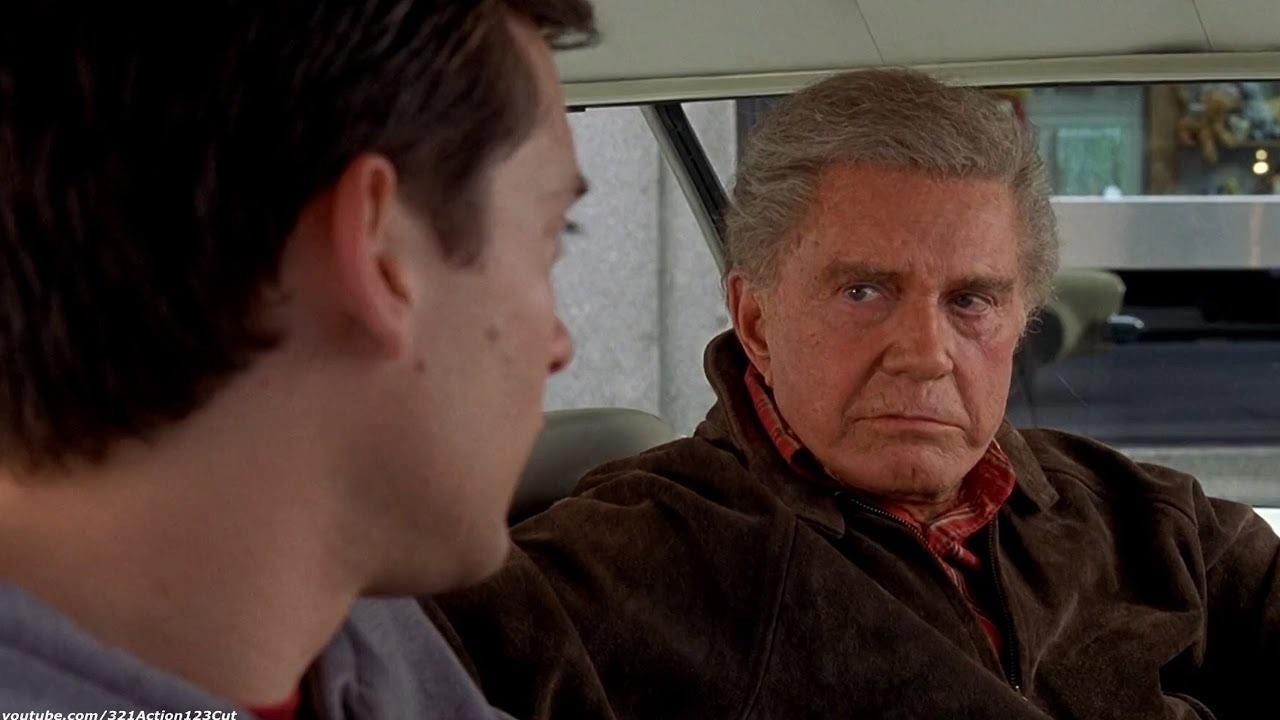
“With great power, comes great responsibility” - Uncle Ben, Spiderman 2002
In the next few sections, I will explain how social media can be used to your benefit and to your detriment. Here are the headings. Feel free to skip to whichever section you may need to read about today. Or read all of them if you want every single power-up!
Your phone is an antidote to propaganda
Your phone is a portal to beauty
Your phone can print money
Your phone can make you a terrible person (how to prevent that)
Your phone can introduce you to new family and friends
Your phone can harm your children (& how to prevent that)
Your phone as an antidote to propaganda
Many people say that they don’t want to make an account on social media because they’re not that interested in heavy political discussions. But social media is where people are able to speak to each other freely and it is only through exposure to such discussions that we can begin to think freely rather than have our thoughts fed to us by osmosis from our environments.
Many astute researchers and writers have written about the dangerous social contagion that has spread through social media to infect young people with bad ideas. Among these are Jonathan Haidt and Abigail Shrier. While they make many excellent points about the dissemination of destructive, idiotic and marxist ideas through social media, what they neglect to consider is that the alternative, mainstream media, is far worse.
The promotion of trans ideas and homosexuality finds its most vehement expression not on social media, but on cable TV, in shows like Modern Family, in Hollywood movies, in books that are published by big publishing houses and targeted to children. Clearly, if there is a harmful social contagion to insalubrious ideas, social media is one of the first places that is combatting it, rather than feeding it.
Many de-transitioned people who are speaking out about the dangers and harms of the trans ideology are most active and vocal on social media, and are rebuked by the same mainstream media and institutions that influenced them as children. It is through podcasts, X and tiktok that people are finding any arguments to the contrary from people who have been personally affected by the harms of these ideas.
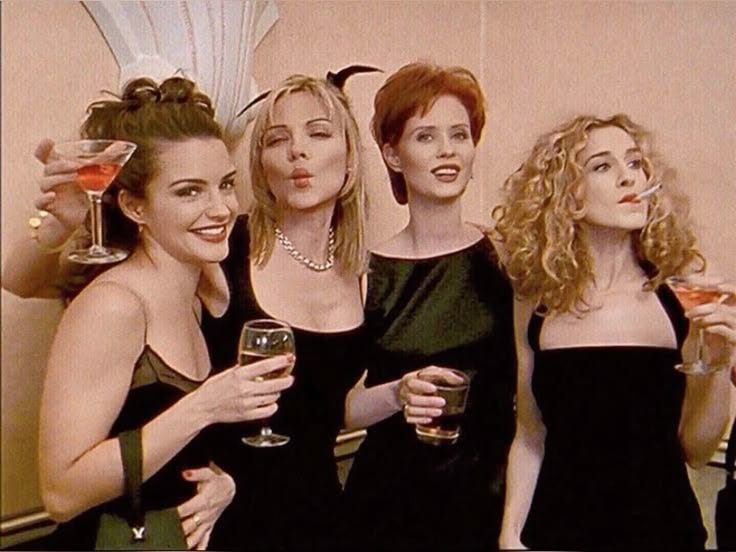
For the past three generations, the mainstream media programming has been spreading propaganda promoting feminism, homosexuality, divorce, abortion, the undermining of the patriarch, the denigration of motherhood and femininity, and ridiculing the worship of God. Despite its flaws, social media has single handedly undermined and reversed all of the above propaganda just within the last ten years.
The rise of the “trad wife movement,” the rise in Christianity and conservatism among the younger generation, the desire for many among gen Z to have their own businesses and families...is a direct result of clear, uncensored debate and discussion between human beings on social media.
The truth, when it is allowed to breathe, goes viral. Those in the business of profiting from lies are of course unhappy about this.
Some say that social media must be censored or that it is dangerous because it spreads “Misinformation”. However this is an Orwellian concept engineered by institutions that are threatened by free discussion of ideas. Rather than debating ideas with evidence and logic, they simply dismiss all ideas that counter the mainstream institutional narrative as “misinformation” because they know, on some level, that in a genuine debate they would lose.
Some say social media gets people trapped in “Echo chambers”. This is another Orwellian term used by leftists institutions to pretend that people who agree with each other are simply doing so in order to belong rather than due to genuine convincing arguments. Despite the fact that people on social media are at least allowed to read and hear disparate opinions whereas the mainstream media serves only one and consideration of other opinions gets people black listed from the industry.
These words, “misinformation” and “echo chamber” are weaponised to silence thought and discussion. And legacy institutions are very worried because these labels are not working. Their feigned “concern” is nothing but naked fear in the face of those who finally have a strong platform to share views that counter the mainstream institutional narrative.
Free speech is the only antidote to bad ideas because it is only when good ideas are articulated through good writing and speech that bad ideas can be truly extracted from one’s consciousness. Many governments are now punishing people who share opinions and ideas that undermine the exploitation of the common man because it is so clearly effective and dangerous for the state. The corrupt bureaucratic state relies upon a propagandised population to survive. When people are able to really speak to each other as human beings, whether they agree or disagree, and share their true experiences and perspectives, propaganda falls apart. This is why these governments are so insistent upon censorship and regulation of social media. And why having a social media account where you engage in sincere discussion can help you to avoid being mind controlled by the government.
Your Phone is a Portal to Beauty
You can use social media to expose you to beautiful artwork and music, and to connect you with incredible independent artists. Many of these artists are not patronised or supported by the mainstream culture because they do not adhere to the message that the mainstream endorses, but nevertheless you may find their work to be delightful and inspiring. Indeed, social media has permitted ordinary artists and ordinary patrons to reclaim the art world from the grip of the salon and the academy that so long pushed only abstract art and ugliness onto the public and pretended nothing else was available.
It was through social media accounts that I first began delving into the Wanderer’s movement from Russia. This movement occurred contemporaneously to the impressionist movement in France, but because the salon endorsed the later and not the former, I only ever learned about impressionist artists in school like Monet and Renoir. I found the works of Ilya Repin and Viktor Vasnetsov who have become some of my favourite artists. I have also discovered many individual artists such as Christopher Remmers, Daniel Lechosest and Mark Maggiorri. These are artists creating beautiful and incredible work today but are not featured in the mainstream media so they would have been unknown to people like me without social media.

Social media allows artists, singers, dancers and writers connect directly to their audience and face selection based on real merit, and ability to speak to people, rather than based on connections and politics within the entrenched institutions. Social media also allows up and coming newer artists to form connections with like minded people around the world, find patronage and build a living on their work in a way that was unheard of before social media.
A very good artist who leverages social media correctly, can in fact use it to build a lucrative business selling his work and be able to buy a house somewhere beautiful and a raise a family off his work. He can truly gain from the real value he brings to other human beings. The last time this was possible was in the pre-industrial world!
Your Phone can print money
I have found an infinite number of people figuring out how to use social media to build businesses based on their skills. Prior to social media, many of these people were locked out of the economy and beginning any such enterprise was out of the question because of the exorbitant costs of renting physical business space, paying regulatory fees and the expensive nature of advertising.
Western governments seem to have made it nearly impossible for ordinary people to begin and run businesses with extortionist bureaucracy, fees and taxes. These very restrictions allow big corporations to continue to run their business to great advantage because their scale means that they can afford to pay these fees and they snuff out any competition from smaller entrepreneurs.
Social media has changed all that because suddenly, individual people who have skills, ideas and personality, can market to mass numbers of people directly. They can ship their own products, they dont need to rent a physical space and can side-step many prohibitive costs. Towns somewhere far away from the big city that were hitherto uninhabitable because of a lack of jobs, are now facing a boom in families moving in. This is because people who make their money online are no longer geographically handcuffed to dense overpopulated cities with suffocating commutes. They tell us to get off our phones and touch grass, when using your phone correctly is exactly what may help you live closer to nature!
Some businesses I have seen prosper thanks to social media: a women who sells hand-made doll houses and also sells guides on how to make doll houses, a man who sells honey and honey-based products from an apiary he keeps in his backyard, a man who binds his own medieval looking books, magazines, photographers with their own print shops, painters who make stationary, and of course people who sell information based products such as fitness lessons and etiquette lessons.
Like the artists, these people can use social media to gain scale in their customer base which allows them to make far more money than otherwise possible, and this allows them to unplug from the salary-based slavery system that the industrial age introduced to the world. More importantly, they can make money doing work they believe in, that is real, and aligns with their morals. A man or woman need no longer be compelled to compromise his or her values in order to put food on the table…if they know how to use their phone correctly that is.
In a way, social media has allowed us to return to the pre-industrial age of making money by making things that provide real value to other people and having our own businesses.
Your phone can turn you into a terrible person
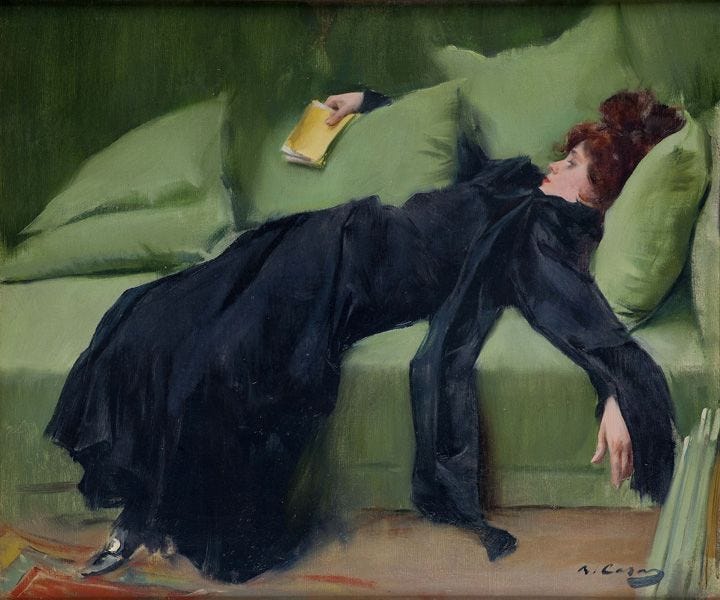
The primary currency of social media is attention. Those who can sustain attention make the most money not merely by ad revenue, but because they gain the most “fans”. But not all attention is good. Attention can also invite invasion of privacy, gossip, hateful energy and of course, it can also go to your head and make you blind to your own flaws, make your views more extreme than they need to be, and un-tether you from reality. With attention comes the increased temptations to vanity, pride, greed and lust. Intense self hatred often combines with intensely aggrandised egos for online influencers who are not spiritually and emotionally disciplined in their relationship to social media.
The key to using social media rather than letting it use you, is to be very intentional with what you engage with and pay attention to. Ask yourself if it educates you, makes you laugh, shows you something beautiful, helps you accomplish your goals, makes you think or adds in some positive way to your real life. Mary Kondo your social media and ask whether what you pay attention to “Sparks Joy”.
Things that add positively to your life might inspire you to reach your own goals, make online friendships that turn into real ones and even push you to be a better person. There are many people I follow that teach me how to have a better, more gracious marriage, accounts that teach me how to parent better, accounts that teach me about literature and art, about fitness and health, or show me amazing photography and art that inspire me to see the beauty in the world and to pursue excellence in my own hobbies and skills. In fact, I only started painting and creating art again because I was inspired by all the artists I was following online. I changed my mind on several important issues because I was following people who shared their ideas and made good arguments, and the benefit of social media was that I was able to push back, offer counter arguments and form my own opinion.
There are things that grab your attention because they are outrageous, they trigger strong negative emotion, and they can irritate, frustrate and enrage very easily. Many “political discussions” are not reasonable debates about issues but rather bait to profit from your anger and outrage and can bring out the worst sides of you.
There are things that may stimulate lust, jealousy, or encourage a false feeling of belonging through gossip and calumny. When people are online, they tend to lose their sense of humanity of the other people they meet because all they see are words on a screen, maybe some pictures. They feel far more confident de-humanizing and flattening the other person to the point that they feel comfortable insulting, gossiping or deriding them. Social media might bring out an ugly side in you by inviting you into this type of behaviour so you can feel like you belong in a “clique”. These are the hallmarks of destructive social media interactions. You must resist them.
The absolute worst social media content is the kind that makes you lose hope. The world is lost. There is no point building or creating anymore. It’s all rigged against you. People say such things because misery loves company and they wish to invite more into their despair to feel less lonely in it. They also feel a false sense of “intelligence” and superiority in their melancholy and despondency. Resist, mute and block all such destructive language that might turn you into a pessimist too. Because there is always hope.
Even though everything on social media seems to happen “just online,” it most certainly leaks into your real life. There are as many bad ideas online as there are good ones and it is very important therefore to take breaks from simply “consuming” what you see online and give yourself time with your own thoughts and with people in real life. Every balanced person I know takes scheduled time off from the online world to recalibrate their senses.
Your phone can introduce you to your new friends and family

There are an uncountable number of people now that I know who have found deep friendships, business partnerships and spouses online. Putting yourself out there, with your true ideas and thoughts and personality, is a great way to meet like minded people. I too found my husband online. I found some of my best friends online. One of my children’s godmothers is a girl I met online. I have friends in multiple different countries whom I met online, and now they are a regular part of my “irl” existence. In fact, I feel far stronger connections to these people I met online than to the people that fate put me next to in my “real life”. Social networks can easily translate into physical networks if conducted properly.
There is also great danger in meeting people online, because it is possible to lie about your true identity online far more easily than it is in person. There are also far fewer social consequences to mistreating someone you know online rather than in person. When someone is embedded in a real life, physical social community, it is far more socially costly to mistreat them.
However, the nature of the world today is such that co-workers, neighbours and colleagues are constantly lying to each other anyway. Modern Marxist culture has sown such distrust among people that it is impossible to be sincere except behind a username online, and it is only when we are sincere that we can form real friendships.
The key component to doing this well is to be prudent and cautious when it comes to safety. Meet in a public space first. Trust your judgement and your gut feeling about the person when you meet them in person. Don’t give strangers money online unless you are buying something.
However by becoming friends with such wonderful people online, we are trapped more and more on the screen and spend less time with the people we know in person. We don’t take the time to get to know our neighbours, to develop patience for people who live in our real physical lives. The friends you meet online should translate to connections, alliances, and time spent in the real physical world, otherwise, it can turn into a very lonely life of digital love that entertains but never nourishes.
Digital love demands nothing, no sacrifice, no physical presence, no patience. You can simply log off when you are irritated or annoyed, and if they really bother you, you can block them with little consequence. It is not healthy to have a life full of such disposable relationships, which is why, if relationships are built online, they must somehow translate to the real world.
Your phone can harm your children
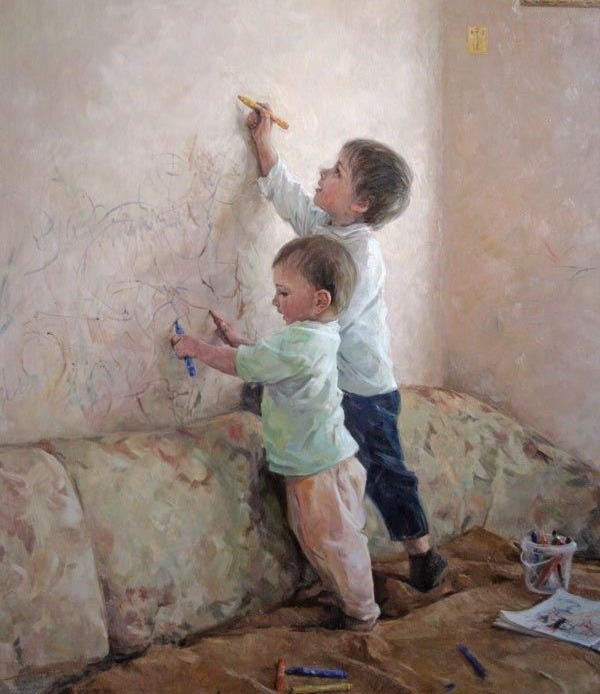
I agree that children do not need to be on social media because it distracts them from the real life development they must engage in. Screen addiction in young children is demonstrably harmful to them and children have far less ability to exercise the discernment necessary to avoid bad ideas and nefarious people. They can be easily caught in the trap of mindless social media use with no telos, productivity or positivity in their lives. They can be easy prey to nefarious people who can form para-social bonds with them and abuse them with their influence.
Many governments wish to limit social media access to children and while the argument is valid, the enforcement very nakedly reveals that these governments are only using the concern for children as a fig-leaf for censorship and control.
Western governments have a tendency to de-bank and even arrest people who share dissenting political opinions online. They intend to enforce “age restrictions” on social media using ID verification in order to access it. They say this is to prevent children using social media, but really, it is to track every adult social media user such that they can dissuade true free speech and discussion through the threat of arrest, de-banking and unemployment. The alternative to this is to give parents the responsibility of keeping their children off social media. There also exists technology today that can be put on any phone or device to prevent its accessing any social media application or website. It is curious such technology is not used instead of putting such intense surveillance on citizens.
These very same governments by the way that claim to prioritise the safety of children, are often the very ones that have legalised infanticide and child mutilation.
Although phones given to children without supervision and without care, can objectively destroy their attention spans, innocence and their lives…paradoxically, a parent on the phone can help them greatly. Mothers who are homeschooling or simply supporting their child’s education can use it to find resources for teaching, book recommendations, explanations for various concepts they might now know about. Mothers who may not have had mothers of their own to teach them how to sew, how to knit, how to cook or how to play music, might learn online and then teach their daughters. Fathers who may not have had fathers of their own to teach them many things might learn what they need to from youtube and then teach their sons. Parents might use social media to start businesses for their children or for themselves and teach them incredible lessons about entrepreneurship. And, the most obvious, parents might use social media to become fabulously wealthy and move them from a despair inducing suburb to a beautiful walkable town close to nature or closer to their extended family.
Children don’t need to use the phone directly in order to benefit from it. Parents who manage and use their phones with intention and intelligence, using it as a tool rather than opiate, can teach their children too how to use this tool one day to their benefit as well.
Be a High Agency Fairy Queen or King
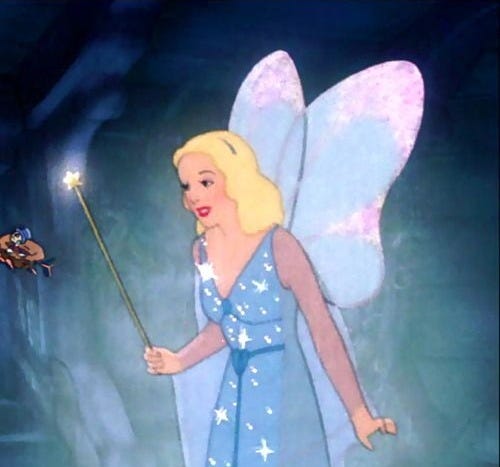
Freedom is dangerous. A magic wand can turn you into a princess or a frog. Magic can curse as easily as it can cure. High agency individuals are the only ones who will succeed in this brave new world of digital tech and social media, because they are the kind of people who take responsibility for themselves and for their children. They prefer freedom to tyranny and safety-ism. If the average bureaucrat is a measurable idiot, it is utter foolishness to trust them to make your major decisions of your life for you. If the average media elite is a pedophile satanist, it is even more foolish to allow them to decide what media you’ll consume for you.
We want the ability to make our own health and medical decisions, the decisions to decide what people we wish to speak to, whom we trust and whom we don’t.
Taking responsibility does mean that you can’t blame someone else if you’re losing your attention span looking at dumb videos, losing friends because you’re not making the time for them away from the screen, or losing brain cells from looking at nonsense online.
Freedom means that you are responsible for your attention, not the government. This freedom can be magical, it can help you find real friends, get married, build a business, make money, shift culture toward beauty and goodness...or it can distract you. You decide. What will you do?
Thank you for reading and for your support of my blog. I look forward to writing more essays in 2026 focusing on child education, literature and my thoughts on the Odyssey which I am currently reading!
If you’d like to read other essays I’ve written about technology and social media, they are linked below.
The Very Human Nature of Technology: How we can distinguish good technology from the bad.
Information Guerilla Warfare: Why influencers are a threat
The strangeness of social media relationships:

so what you are saying is, we live Behind Enemy Lines 😎 🛡🏴
Waking up and savoring this piece has been the perfect way to start my Christmas morning, Merry Christmas!